5 Signs Your Home Needs a Renovation Before It Costs You More
- Jun 15
- 4 min read

Homeownership comes with a long list of rewards, but it also comes with a responsibility that many people push to the back burner: knowing when to renovate. The problem is that small issues rarely stay small. What starts as a hairline crack or a slow drain can quietly turn into a structural problem or a mold situation that costs five times more to fix than it would have a year earlier.
At APW Pro Services, we work with homeowners across Orlando and Central Florida every day. We see the same patterns again and again. Here are the five signs that your home is telling you it needs attention before the price tag gets out of hand.
1. Your Energy Bills Keep Climbing for No Clear Reason
If your utility bills have been creeping up month over month and nothing about your usage has changed, your home's envelope is likely the problem. Old insulation, single-pane windows, outdated HVAC systems, and gaps around doors and frames all allow conditioned air to escape, forcing your system to work harder than it should.

In Central Florida's climate, where air conditioning runs almost year-round, an inefficient home is a consistently expensive one. A renovation that addresses insulation, window sealing, or HVAC upgrades typically pays for itself within two to three years through energy savings alone.
What to look for: Uneven temperatures between rooms, drafts near windows or doors, and AC units that run almost constantly without reaching the set temperature.
2. Water Stains, Soft Spots, or a Musty Smell You Cannot Identify
Water damage is the most expensive problem in residential construction because it almost never stays contained to where you first notice it. A stain on the ceiling could mean a roof issue, a plumbing leak, or condensation from poor ventilation. A soft spot in the floor near the bathroom could point to a subfloor that has been wet for months.
Florida's humidity makes this even more critical. Moisture that gets into walls or floors creates ideal conditions for mold, which spreads fast and triggers health issues, not just repair costs.
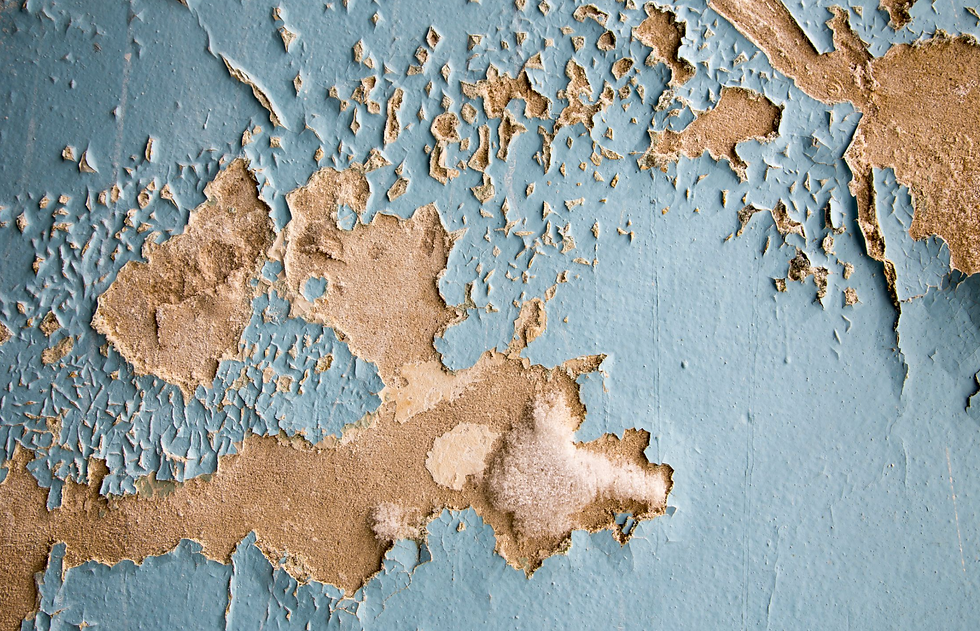
What to look for: Yellow or brown stains on ceilings or walls, soft or springy flooring near water sources, a persistent musty odor even after cleaning, and paint that bubbles or peels without an obvious cause.
3. Cracks in the Foundation, Walls, or Around Door Frames
Not all cracks are created equal, but none of them should be ignored. Hairline cracks in drywall from normal settling are common. Diagonal cracks running from the corners of windows and doors, horizontal cracks in a block foundation, or cracks that are growing over time are a different story entirely.
Foundation movement in Florida is particularly common because of the soil composition and water table. Catching it early means a targeted repair. Ignoring it means much more extensive and expensive work later, including potential structural reinforcement.
What to look for: Cracks wider than a quarter of an inch, cracks that have changed size since you first noticed them, doors or windows that stick or no longer close properly, and visible gaps between walls and the ceiling or floor.
4. Your Electrical or Plumbing System Is More Than 20 to 30 Years Old
Outdated systems are not just inconvenient. They are a liability. Older wiring, particularly aluminum wiring from the 1960s and 1970s, presents a fire risk. Panels with fuses instead of circuit breakers may not meet current code.

Galvanized steel pipes corrode from the inside out and reduce water pressure over time before they eventually fail.
Insurance companies in Florida are increasingly refusing to renew policies or are charging significantly higher premiums on homes with older electrical panels or plumbing systems. If you are planning to sell in the next few years, these are the items that will appear on every inspection report and give buyers reason to negotiate hard.
What to look for: Flickering lights, frequently tripping breakers, outlets that feel warm or show scorch marks, low water pressure throughout the house, and discolored water when you first turn on the tap.
5. Your Layout or Space No Longer Works for How You Live
This one is different from the others. It is not about damage or safety. It is about function, and it matters more than most homeowners realize when it comes to long-term property value.
A home that does not work for your life creates daily friction: a kitchen that has no flow, a bathroom shared by too many people, a garage conversion that was done without permits, or a home office that is really just a corner of the bedroom. These limitations affect your quality of life and, more importantly, they affect what a buyer will pay when you eventually sell.
Remodeling a kitchen or bathroom in Orlando can return between 60 and 80 percent of the project cost in added home value, depending on the scope and quality of work. A well-executed addition or conversion can do even better in a tight housing market.
What to look for: Rooms you avoid using because they do not work, storage that has run out, or spaces that were built for a different family than the one living there now.
When to Call a Contractor
If you are seeing one of these signs, it is worth getting a professional assessment before the problem develops further. If you are seeing two or more, do not wait.
APW Pro Services handles residential renovations, commercial build-outs, and restoration work across Orlando and Central Florida.
We are licensed, insured, and BBB accredited. Whether you need a full remodel or a targeted repair, we will give you a straight answer about what your home needs and what it will cost.
Call us at (689) 278-1552 or visit apwpro.com to request a consultation.
APW Pro Services serves homeowners and businesses throughout Orlando, Central Florida, including Orange County, Osceola County, and the surrounding areas. We specialize in residential renovation, commercial build-out, and emergency restoration.
Comments